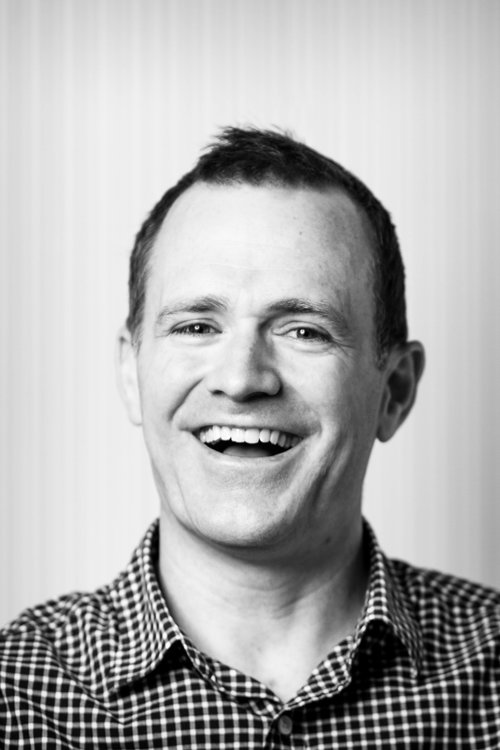
Steve graduated from RMIT University in 2003 and has been in continuous private practice in Melbourne's Bayside south-east ever since. Over more than two decades, his clinical thinking has evolved significantly — from a primarily joint-based model toward a much deeper engagement with the fascial system, the connective tissue network that links every structure in the body and, in many presentations, is the primary driver of both pain and dysfunction.
Steve has trained extensively in Fascial Manipulation by Stecco, a systematic, evidence-informed manual therapy method developed by the Stecco family and advanced through the anatomical and clinical research of Professor Carla Stecco at the University of Padova. The method is grounded in a substantial body of peer-reviewed research, and it informs how Steve assesses and reasons through the majority of presentations he sees — including many that have not responded well to earlier treatment.
Outside the clinic, Steve has a background in Olympic Weightlifting — a discipline that has fundamentally shaped how he thinks about movement mechanics, load management, and the demands placed on connective tissue under high-intensity training. That background informs a genuine respect for performance goals, and a clear model for how fascial load patterns contribute to injury in athletic and gym-based populations.
His current areas of particular clinical interest include vestibular disorders (BPPV and cervicogenic dizziness), headache and migraine with a cervical or fascial contribution, tendinopathy rehabilitation, and the role of connective tissue dysfunction in persistent and recurring musculoskeletal pain.
The whole body.
Not just the painful part.
Areas of Particular Clinical Interest
Steve sees a broad range of musculoskeletal presentations. The following areas represent conditions where the depth of his clinical assessment — and his engagement with the current research — goes particularly deep:
- Vestibular disorders — BPPV (benign paroxysmal positional vertigo) and cervicogenic dizziness. The overlap between upper cervical mechanics, the vestibulocerebellar system, and dizziness presentations is an area of ongoing learning and particular clinical focus.
- Headache and migraine — with specific interest in cervicogenic headache, tension-type headache, and the musculoskeletal contribution to migraine. The cervical spine and suboccipital fascia are assessed in every headache presentation.
- Tendinopathy rehabilitation — progressive loading-based management for rotator cuff, patellar, Achilles, gluteal, and lateral elbow tendinopathies. Understanding why a tendon is overloaded requires a kinetic chain assessment; that is where every tendinopathy workup begins.
- Persistent and recurring pain — presentations that have not fully resolved with prior treatment, or that keep returning despite appropriate management. These cases often involve a fascial component that has not yet been specifically assessed or addressed.
The Clinic
Elevate Health Care is located on Level 1 at 93 Wells Road, Chelsea Heights, within the Chelsea Heights medical precinct. Birch ply walls, built-in cabinetry, Autex acoustic panelling, secondary glazing, and an abundance of natural light create a warm, quiet space built around the treatment experience.
Opening Hours
| Monday | 9:00 am – 8:00 pm |
| Tuesday | 9:00 am – 3:00 pm |
| Wednesday | 9:00 am – 8:00 pm |
| Thursday | 9:00 am – 3:00 pm |
| Friday | Closed |
| Saturday | 3rd Saturday, 9:00 am – 1:00 pm |
| Sunday | Closed |
Suite 30 (Level 1)
93 Wells Road
Chelsea Heights VIC 3196
Lift access available. On-site parking. Located within the Chelsea Heights medical precinct on the corner of Wells Road and Thames Promenade.
(03) 9787 0600
We look forward to meeting you.